


Understanding Luminance Contrast in Accessible Design: A Guide for Buildings in Australia and Malaysia
As leading disability access consultants serving Sydney, Perth, and Kuala Lumpur, we at AccessConsultants.asia specialize in creating inclusive built environments that comply with both Australian and Malaysian standards. One critical yet often overlooked aspect of accessible design is luminance contrast. This element plays a vital role in enhancing visibility and safety for people with low vision or visual impairments, promoting universal design principles. In this guide, we'll break down what luminance contrast is, its purpose, why it matters, where it's required under current Australian and Malaysian regulations, how to achieve it, and the broader benefits it offers. Whether you're an architect, builder, or property owner in Sydney, Perth, or Malaysia, incorporating luminance contrast in accessible design can help ensure your projects meet compliance while fostering equitable access for all. Our team, including qualified access consultants like Alexandra (Sandy) Gray from our Mid North Coast branch and Daniel Wong, brings expertise in bridging Australian best practices with Malaysian needs to deliver pragmatic solutions.
What is Luminance Contrast?
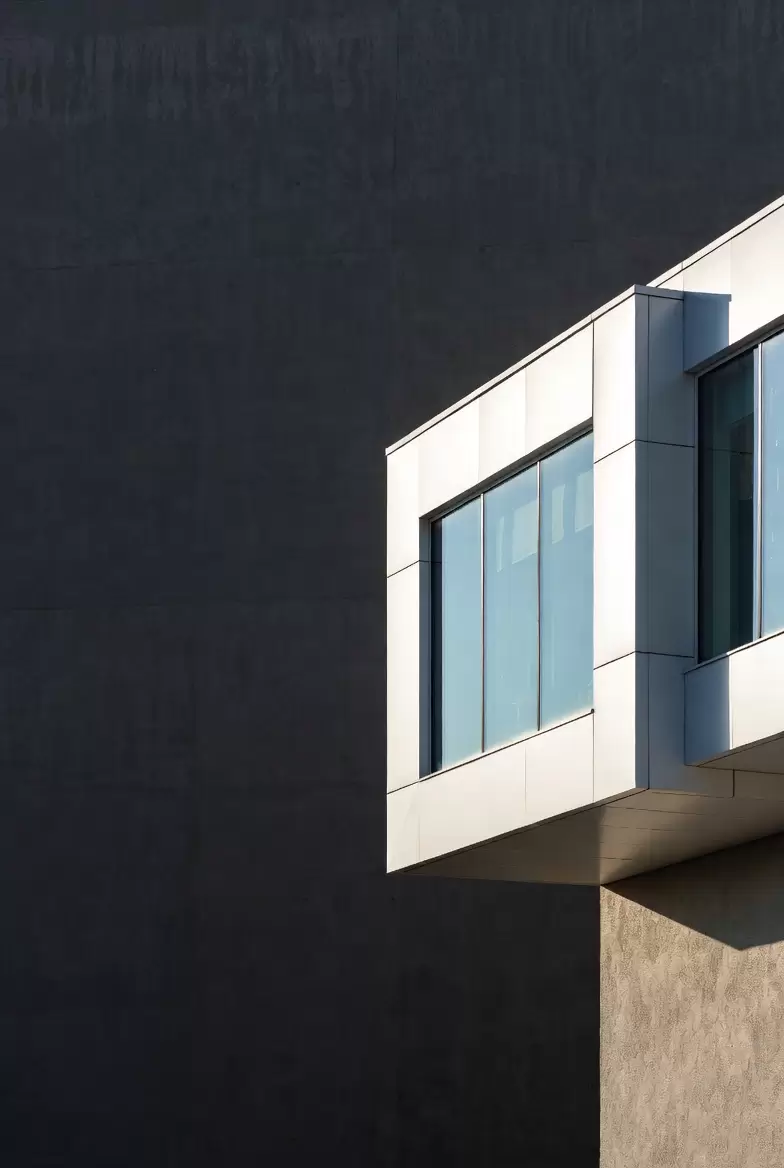
Luminance contrast measures the difference in light reflectance (brightness) between two adjacent surfaces or elements. It's calculated using luminance reflectance values (LRVs) and expressed as a percentage. For example, a dark floor against a light wall creates high contrast. Unlike simple color contrast, which focuses on hues, luminance contrast emphasizes perceived brightness—making it essential for visibility in varying lighting conditions, such as indoor spaces or tropical climates in Malaysia.
This concept is key in universal design, disability access consulting, and inclusive architecture, as it helps distinguish features like edges or hazards without relying solely on color perception. At AccessConsultants.asia, our architects and access consultants, including Chong Yee Jean and Nur Syuhada Binti Che Rahimi, integrate this into design reviews to ensure safe, navigable spaces.
What is Luminance Contrast For?
The main goal of luminance contrast is to improve visibility, allowing users to safely identify and navigate building elements. It's especially beneficial for individuals with visual impairments, who may not detect subtle changes in surfaces. By highlighting boundaries, such as step edges or door frames, it minimizes risks like slips, trips, or falls, fostering independence in public and private spaces. In Malaysian contexts, this aligns with creating fairer societies through adaptable housing and equitable built environments.
Why is Luminance Contrast Important?
In Australia, inadequate luminance contrast can lead to non-compliance with the Disability Discrimination Act 1992 (DDA), potentially resulting in discrimination claims. It aligns with the Disability (Access to Premises – Buildings) Standards 2010 (Premises Standards), ensuring buildings are equitable and accessible. In Malaysia, it supports compliance with MS 1184:2014 (Universal Design and Accessibility in the Built Environment) and Uniform Building By-Laws (UBBL) By-Law 34A, which mandate accessible features to promote inclusion.
Beyond legal requirements, luminance contrast embodies universal design principles, making spaces more intuitive for everyone—from seniors to those with temporary impairments. As disability access consultants operating in Sydney, Perth, and Malaysia, we emphasize that strong luminance contrast not only avoids costly retrofits but also enhances user experience, reducing accidents and boosting property appeal in competitive markets. Our hybrid Australia-Malaysia model, led by experts like Ahmad Syafiq Bin Mohd Unzir, transfers proven strategies to minimize regulatory risks and maximize social benefits.
Where is Luminance Contrast Required?
Requirements for luminance contrast are outlined in key standards for both regions:
- Australia: Australian Standard AS 1428.1:2021 (Design for access and mobility – General requirements for access – New building work), referenced in the National Construction Code (NCC) 2022 (current as of February 2026, with Amendment 2 effective since July 2025). The NCC applies to Class 1b to 10 buildings, with specific clauses like D4.2 (Accessways) and H2D4 (Accessible sanitary facilities) mandating compliance. It also ties into state policies like NSW's State Environmental Planning Policy (Housing) 2021.
- Malaysia: MS 1184:2014, which incorporates similar principles for visibility in accessible design, enforced through UBBL By-Law 34A for public buildings, residential developments, and infrastructure.
Key areas include:
- Tactile Ground Surface Indicators (TGSIs): Minimum 30% contrast with surrounding surfaces (e.g., at stairs, ramps, or crossings) – AS 1428.1 Clause 6.7; mirrored in MS 1184 for Malaysian urban environments.
- Stair nosings: At least 30% contrast on tread edges to define steps – AS 1428.1 Clause 11.1; essential for safe navigation in high-traffic Malaysian buildings.
- Doorways and entrances: Contrast bands or frames (minimum 30%) for visibility – AS 1428.1 Clause 13; supports MS 1184 in equitable entry points.
- Handrails and grabrails: 30% contrast against backgrounds – AS 1428.1 Clause 12; critical for inclusive design in both countries.
- Signage and controls: Elements like buttons or handles must contrast with surrounds – AS 1428.1 Clause 8; aligns with Malaysian accessibility audits.
- Sanitary facilities: Fixtures (e.g., toilet seats, grab bars) require contrast for identification – AS 1428.1 Clause 15; compliant with MS 1184 for accessible toilets.
For projects in Malaysia, where cultural sensitivities matter, our Kuala Lumpur team tailors advice to local preferences while ensuring full compliance with DBKL, JKM, and KPWKM requirements.
How is Luminance Contrast Achieved?
Achieving compliant luminance contrast requires strategic planning, adaptable to Australian and Malaysian contexts:
- Measure LRVs: Use a spectrophotometer or manufacturer-provided data to assess surface reflectance, considering local lighting variations like Malaysia's bright sunlight.
- Calculate contrast: Apply the Bowman-Sapolinski equation from AS 1428.1:2021: Contrast = [(LRV1 - LRV2) / LRV1] × 100 (LRV1 being the higher value). This method is adaptable to MS 1184 assessments.
- Select materials: Opt for contrasting finishes, like light nosings on dark stairs or matte surfaces to minimize glare in humid Malaysian climates.
- Test on-site: Evaluate under real lighting to account for environmental factors, such as Perth's coastal conditions or Kuala Lumpur's urban settings.
- Integrate early: Include in initial design to prevent revisions, with our access audits providing site-specific recommendations.
Engaging qualified access consultants like our team ensures precise testing and documentation. For Mid North Coast or Perth projects, Alexandra (Sandy) Gray offers remote support, while our Malaysian architects handle local enforcement needs.
Why Luminance Contrast is a Smart Choice for All
Implementing luminance contrast goes beyond ticking boxes—it's an investment in safer, more inclusive spaces. It empowers people with disabilities while benefiting the wider community, such as families spotting ramp edges or workers navigating safely. In regions like Sydney, Perth, and Malaysia, where inclusive design drives market value and regulatory enforcement is strengthening, it can differentiate your project from competitors.
As advocates for pragmatic solutions at AccessConsultants.asia, we recommend site-specific assessments during audits or reports. This approach aligns with Australian best practices and Malaysian standards like MS 1184:2014, delivering social and economic gains without unnecessary complexity. Our capacity-building workshops, led by educators like Alexandra Gray, use real case studies to train architects and facilities managers.
For more insights on disability access consulting, universal design, and compliance in Australia and Malaysia, explore our resources on NDIS/SDA principles, access audits, and regulatory strategy. Contact our team in Kuala Lumpur or Sydney to discuss how we can support your next project.